The Maasai Mara National Reserve in Kenya is one of the world's greatest wildlife destinations. By day, it's a spectacle of golden grasslands, roaming herds, and dramatic predator-prey encounters. But when the sun sets and the full moon rises over the savannah, the Mara transforms into something entirely different — a mystical, moonlit world where the African bush reveals its most intimate secrets.
In this article, we explore the magic of the Maasai Mara under a full moon — from nocturnal wildlife to the ancient traditions of the Maasai people, and how you can experience this unforgettable adventure for yourself.
1. The Maasai Mara – An Iconic Wilderness
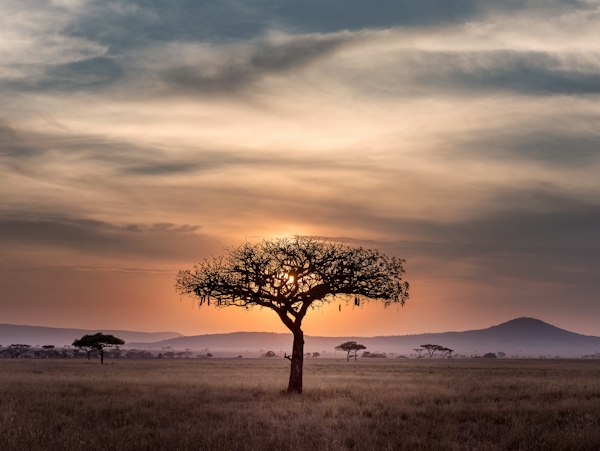
Located in southwestern Kenya, the Maasai Mara is part of the larger Serengeti-Mara ecosystem. It's famous for the Great Migration — over 1.5 million wildebeest, zebras, and gazelles crossing the plains in search of fresh grazing. The reserve is also home to the "Big Five" (lion, leopard, elephant, buffalo, and rhino), making it a premier safari destination.
But beyond the daytime spectacle, the Mara has a quieter, more mysterious side. When the moon rises, the landscape shifts, and a different cast of characters takes center stage.
2. The Full Moon – A Different Safari
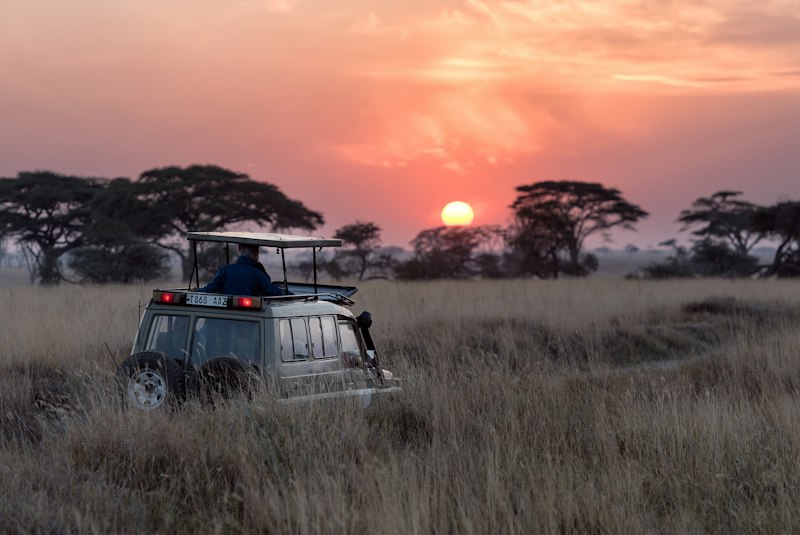
A full moon safari is unlike any other game drive. The moon illuminates the savannah in soft, silver light — enough to see animals without the glare of spotlights. The air cools, and the sounds of the bush change. Lions become more active, leopards emerge from their daytime hiding spots, and nocturnal creatures like aardvarks, genets, and bush babies begin their nightly routines.
🌕 Did you know? A full moon can trigger the Great Migration river crossings at night. Thousands of wildebeest may surge across the Mara River under moonlight, a spectacle witnessed by very few.
3. Nocturnal Wildlife of the Mara
The Mara's nighttime wildlife is as diverse as its daytime residents. Here's what you might see under a full moon:
- Lions: More active at night, especially during the cool hours before dawn. Listen for their deep, resonant roars.
- Leopards: Solitary and elusive, leopards are nocturnal hunters. A full moon increases your chances of spotting one.
- Hyenas: Often misunderstood, these intelligent predators are highly social and active at night. Their eerie calls echo across the plains.
- Elephants: Surprisingly active at night, especially when the moon is full. They feed on vegetation and travel between water sources.
- Smaller creatures: Bush babies, servals, and spotted genets — rarely seen by day, they become active under the cover of darkness.
4. The Maasai People and the Moon
The Maasai, semi-nomadic pastoralists, have lived alongside the wildlife of the Mara for centuries. Their culture is deeply connected to nature, and the moon plays a significant role in their traditions and cosmology.
For the Maasai, the full moon (known as Enkare in their language) is a time for celebration, storytelling, and spiritual reflection. Moonlit nights are when the community gathers around the fire, sharing legends and passing down wisdom to younger generations. The Maasai believe that the moon influences the behavior of both animals and humans, and they respect its power.
5. The Night Sky – Stars and Silence
One of the most breathtaking aspects of a full moon safari is the night sky. The Mara has some of the darkest skies in Africa, making it a prime location for stargazing. The Milky Way stretches across the sky like a celestial river, and constellations are vivid and bright. Under a full moon, the landscape glows, and the silence is profound — interrupted only by the call of a hyena or the rustle of grass in the wind.
6. Planning Your Full Moon Safari
Here are some tips for planning a full moon safari in the Maasai Mara:
- Timing: Plan your trip around the full moon (check lunar calendars). The moon rises around sunset and stays visible most of the night.
- Accommodation: Choose a camp or lodge that offers night drives or moonlit bush dinners.
- Photography: A full moon safari is a challenge for photographers. Use a tripod, high ISO settings, and a fast lens to capture the magic. Focus on silhouettes and the interplay of light and shadow.
- Safety: Always follow your guide's instructions. Night drives are safe with experienced rangers, but wildlife is unpredictable.
7. Final Thoughts
The Maasai Mara under a full moon is a once-in-a-lifetime experience. It's a reminder that the bush is never truly asleep — it simply changes guard. The moonlit savannah is raw, intimate, and deeply spiritual. It connects you to something ancient and primal.
🌕 Final Thought: The Mara under a full moon is not just a safari — it's a journey into the soul of Africa. The moon has been shining over this land for millennia, witnessing the rise and fall of civilizations, the cycles of life and death, and the eternal dance of predator and prey. When you stand under that same moon, you become part of that story.
🌍 Continue Your Travel Journey
If you enjoyed this guide, check out these other travel articles: