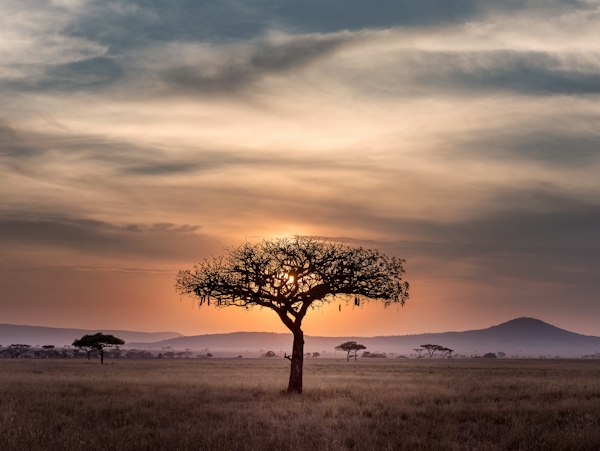
Deep in Ethiopia's remote Omo Valley, where the river carves through arid savannah and acacia trees dot the horizon, lives one of Africa's most fascinating indigenous groups — the Surma people. Their distinctive traditions, from the iconic lip-plates worn by women to the fierce Donga stick-fighting contests, have fascinated anthropologists and travelers for decades. Yet, their way of life remains largely untouched by the modern world.
In this article, we delve deep into the heart of Surma culture, exploring their traditions, challenges, and the profound lessons they offer about resilience and identity.
1. Who Are the Surma?
The Surma (also known as Suri) are a Nilotic ethnic group numbering around 40,000 people. They inhabit the southwestern lowlands of Ethiopia, bordering South Sudan. They are semi-nomadic pastoralists, relying on cattle herding and subsistence agriculture. Their social structure is clan-based, with a deep respect for elders and traditional spiritual beliefs.
Despite increasing pressure from government development projects and neighboring tribes, the Surma have maintained a remarkable cultural identity that sets them apart from any other group in Africa.
2. The Lip-Plate Tradition
The most iconic tradition of the Surma is the wearing of lip-plates (dhebi a tuge). When Surma girls reach adolescence (around 15-16 years old), their lower lip is pierced, and a small wooden plug is inserted. Over time, increasingly larger plates are inserted, stretching the lip. The final plate can be up to 12-15 centimeters in diameter!
💡 Did you know? The size of the lip-plate is often associated with status and beauty. A larger plate means a higher bride price. However, modern influences mean the tradition is fading among the younger generation.
3. Donga – The Stick-Fighting Ceremony
Donga is a traditional stick-fighting competition held between Surma clans. It resembles a martial art — young men duel using long, flexible poles, often to impress women and prove their bravery. The fights are intense but governed by strict rules. Before the fight, participants paint their bodies with white chalk and clay, turning themselves into warriors.
4. Body Art & Scarification
Body decoration is central to Surma identity. They use natural pigments — white chalk, yellow clay, charcoal — to paint intricate patterns on their skin. Scarification is also common, creating raised patterns that are considered marks of beauty and courage. Both men and women undergo scarification.
5. Life in the Omo Valley
The Omo Valley is one of the most isolated regions on Earth. The Surma live in simple huts made of sticks and grass. Their diet consists of sorghum, milk, blood (drawn from cattle), and occasionally meat. Cattle are their most prized possession, representing wealth and social status.
6. How to Visit Ethically
Visiting the Surma requires careful planning and ethical consideration. Here are key tips:
- Hire a local guide who speaks the language and respects the culture.
- Always ask permission before taking photographs. Offer a small payment as a gesture of respect.
- Don't treat them as a spectacle. Engage with them as people, not as museum exhibits.
- Support local communities by buying handicrafts directly from the artisans.
7. Final Thoughts
The Surma are a living testament to the extraordinary diversity of human culture. In a world where globalization is erasing traditions at an alarming rate, communities like the Surma remind us of the beauty of difference. Their resilience, artistry, and connection to the land are inspiring.
🌍 Final Thought: If you ever find yourself in the remote corners of Ethiopia, a visit to the Surma will leave you with a profound appreciation for the richness of human heritage. Travel with respect, an open heart, and a willingness to learn — that's the truest way to connect with this extraordinary community.
🌍 Continue Your Travel Journey
If you enjoyed this guide, check out these other travel articles: